
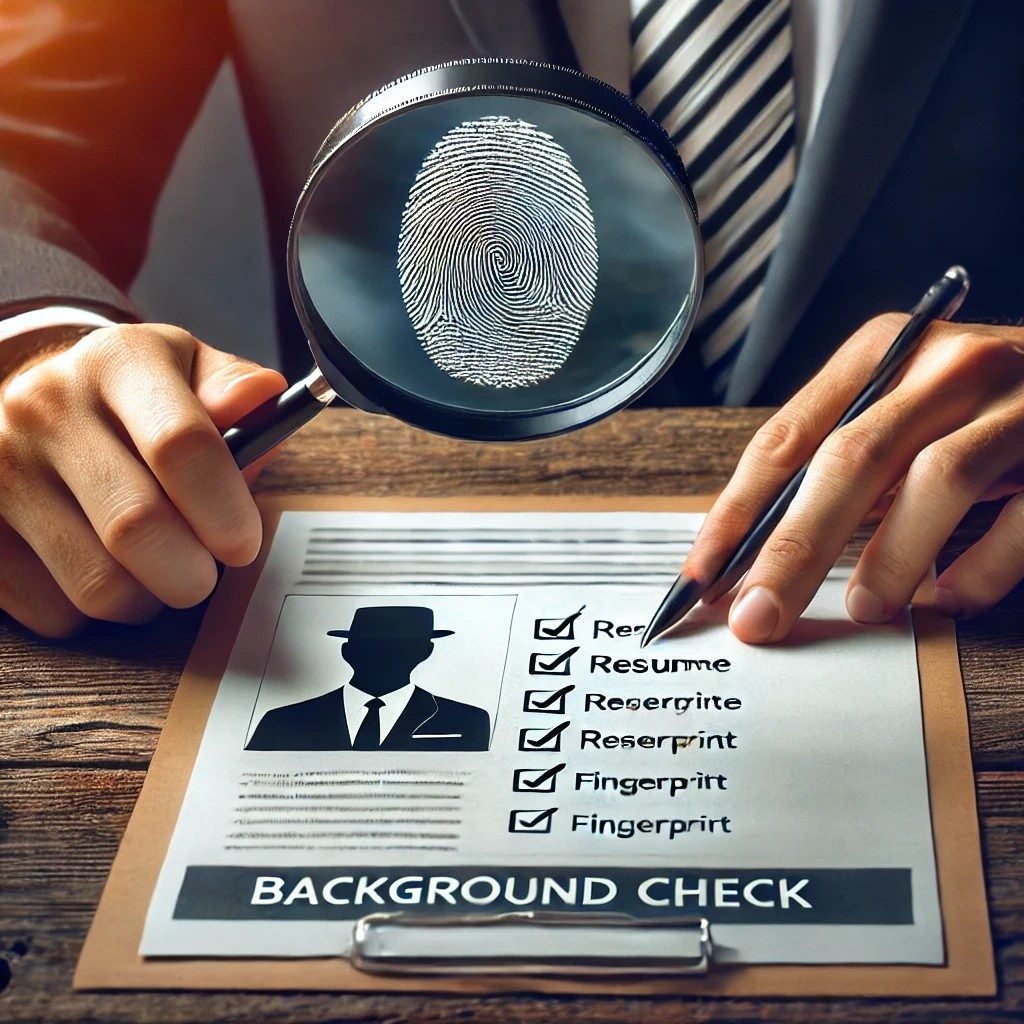
How a Background Check Works

Illustration of a magnifying glass over a resume, fingerprint and checklist

A background check is four separate jobs that get sold as one. Identify the person, pull the records that exist under that identity, verify that the records actually belong to them, and write down what could not be confirmed. Consumer platforms do the first two. The value is almost entirely in the second two.

What a licensed investigator does that software does not

Software matches on name, age and address history, then returns everything it hits. An investigator starts by pinning the identity down: date of birth, address chronology, known relatives and associates, prior names. Only then do the records get pulled, because a record retrieved before the identity is settled is just a guess with a citation.Then the records get read rather than listed. A charge is not a conviction. A filed lien is not an outstanding one. A dismissed case reported as an arrest is how a person loses a job over nothing. Reading dispositions is unglamorous and it is most of the work.

Where a background search legally stops

No licensed investigator can obtain bank balances, telephone call records, sealed or expunged records, credit reports, or medical records. Those are protected by federal and state law and access runs through a subpoena, a court order, or the subject’s own written authorization. Any service implying otherwise is telling you how it treats the law in general.

In the digital age, where information is both a commodity and a tool, private investigators in Bradenton, Tampa, and Sarasota, FL, find themselves at the intersection of technology and human curiosity. Background searches are not merely a checklist item in an investigator’s portfolio but a critical component that can dictate the success or failure of an investigation. This article delves into the nuances of conducting background searches, emphasizing the pivotal role of utilizing multiple databases and the principle that the quality of information dictates the effectiveness of the outcome.

The Foundation: Understanding Data and Databases

At its core, a background search is about compiling and analyzing data to uncover truths hidden beneath layers of public and private records. For investigators operating in Bradenton, Tampa, and Sarasota, leveraging a diverse range of databases ensures accuracy and relevance:

Comprehensive Coverage: No single database captures everything. Each might specialize in different types of records, such as local criminal history in Sarasota or property records in Tampa.

Accuracy and Timeliness: Local databases, such as those specific to Manatee and Hillsborough counties, vary in their update frequency. Cross-referencing helps verify data accuracy, ensuring investigators work with the most current information.

Diverse Data Types: Investigators in Bradenton can access records like local utility bills, while those in Tampa might pull criminal and corporate records to reveal lifestyle or financial patterns.

The Power of Data in Investigations

Fraud Detection in Business Partnerships

Consider a scenario where a business partner in Sarasota suspects fraudulent activities. Here, background searches become not just useful but essential:

Financial Background: Investigating financial histories and credit reports through local channels in Tampa and Sarasota can highlight patterns of misconduct.

Corporate Records: Checking Florida’s state and county databases for past business dealings and lawsuits can uncover unethical practices specific to the Tampa Bay area.

Public Records: Vital records available in Manatee County (Bradenton) and Sarasota County help establish identities and relationships, which might be concealed under different aliases.

By piecing together information from these local sources, an investigator can paint a detailed picture of a partner’s business ethics, potentially saving a company in the region from significant financial loss or legal complications.

One of the most emotionally charged investigations involves missing persons, and local expertise in Bradenton and Tampa plays a crucial role:

Phone Records: Investigators in the Tampa Bay area often begin by examining GPS data from phone records, which can be crucial for pinpointing last known locations.

Social Media: Local residents of Bradenton, Sarasota, and Tampa frequently use platforms like TikTok, Instagram, and Facebook. Monitoring these can provide leads through posts or check-ins at local spots.

Public Databases: Accessing traffic camera footage in Tampa or land records in Sarasota offers additional avenues for tracking movements and identifying key locations.

Localizing these data points makes investigations more robust, increasing the chances of success when locating a missing person in these Florida communities.

Crafting the Narrative: From Data to Decision

The true artistry in private investigation lies in synthesizing data into actionable intelligence, particularly when operating in diverse communities like Bradenton, Tampa, and Sarasota:

Cross-Verification: For example, an address found on a phone bill in Bradenton should match entries in local property records or utility data in the Sarasota area.

Pattern Recognition: Recognizing behavior patterns, such as movement between Bradenton and Tampa, can help uncover hidden activities.

Ethical Considerations: Transparency with clients in these areas is essential, as is respecting Florida’s privacy laws.

Challenges and Considerations

Data Privacy: With heightened privacy concerns, accessing detailed personal information in Bradenton, Tampa, and Sarasota legally and ethically is crucial.

Technological Savvy: Staying updated with the latest technology and cybersecurity practices helps protect the information of local clients and the integrity of investigations in the region.

Human Element: Every data point represents a person, and understanding the cultural nuances of Florida’s Gulf Coast communities ensures sensitivity and discretion.

In the realm of private investigation, background searches are not just about gathering information; they’re about crafting a narrative that unveils truth from a mosaic of data. Utilizing multiple local and state databases ensures that the information gathered is not only comprehensive but also reliable. As investigators navigate the complexities of human behavior and societal norms in Bradenton, Tampa, and Sarasota, a commitment to thoroughness, accuracy, and ethical practice in data handling remains the cornerstone of effective investigations. Whether it’s uncovering fraud or finding missing loved ones, the art of the background search in private investigation is a testament to the adage: information is power, but only if it’s the right information.

Order a licensed background investigationPrepared by a Florida-licensed investigator, agency A3400127, and documented to evidentiary standards.


Written by Joshua Goldberg, Florida private investigator license C3400073, owner of Insight Investigative Group, LLC, agency license A3400127, Bradenton, Florida.

Related: background checks and published rates.

Ask an investigator

Background investigations are $175, $600 or $1,200 depending on depth.

Call and a licensed investigator answers, day or night, including weekends. Written enquiries are answered within 48 hours.