Yes. Surveillance is legal in Florida when it is conducted from a place the investigator has a lawful right to be, without intercepting private conversations, without planting anything on property the client does not own or lease, and without imaging anyone where they reasonably expect privacy. Cross any of those lines and the work stops being surveillance and becomes a crime, much of it felony grade, and the evidence it produces tends to hurt the client who paid for it.
Insight Investigative Group, LLC is a licensed Florida private investigative agency, agency license A3400127, investigator license C3400073, based in Bradenton and running surveillance across Sarasota, Manatee, and the greater Tampa Bay area. What follows is how we explain the rules to clients before a case starts. It is general information about Florida law, not legal advice. For your own situation, talk to an attorney.
What surveillance actually is
Television has done this profession no favors. Real surveillance is not car chases or microphones taped under tables. It is one investigator, positioned legally, watching one subject long enough to document a pattern: when they leave, where they go, who they meet, what they carry, how they move. The product is not a dramatic confrontation. It is date-stamped video, still photographs, and a written report an attorney, an adjuster, or a judge can rely on.
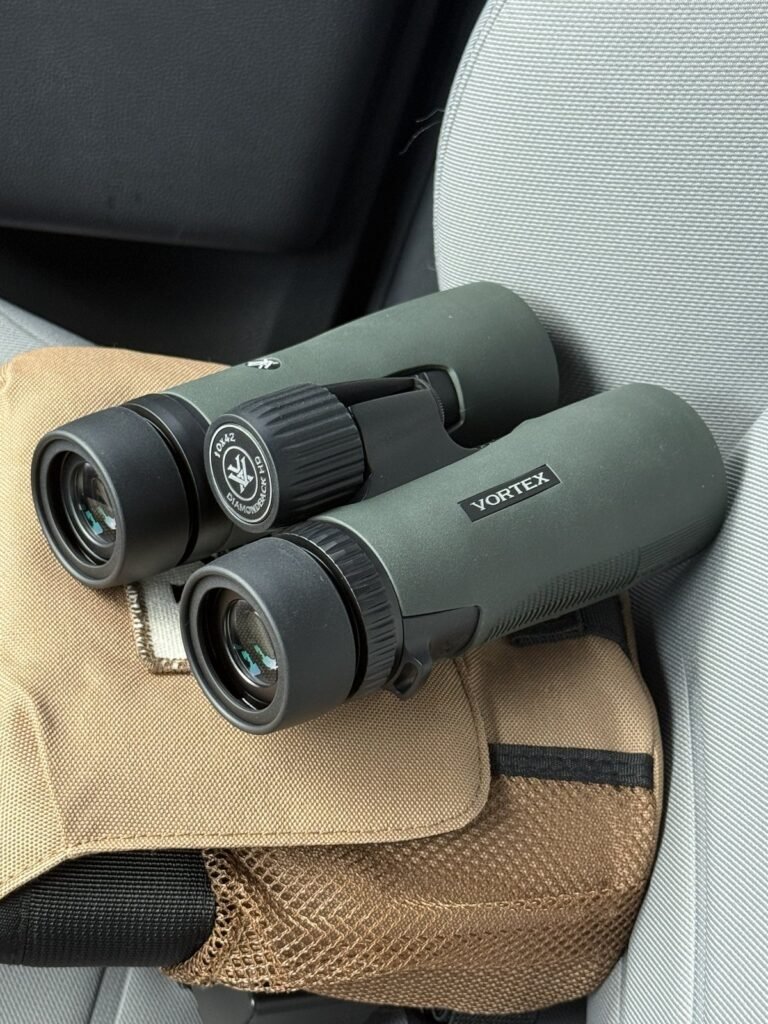
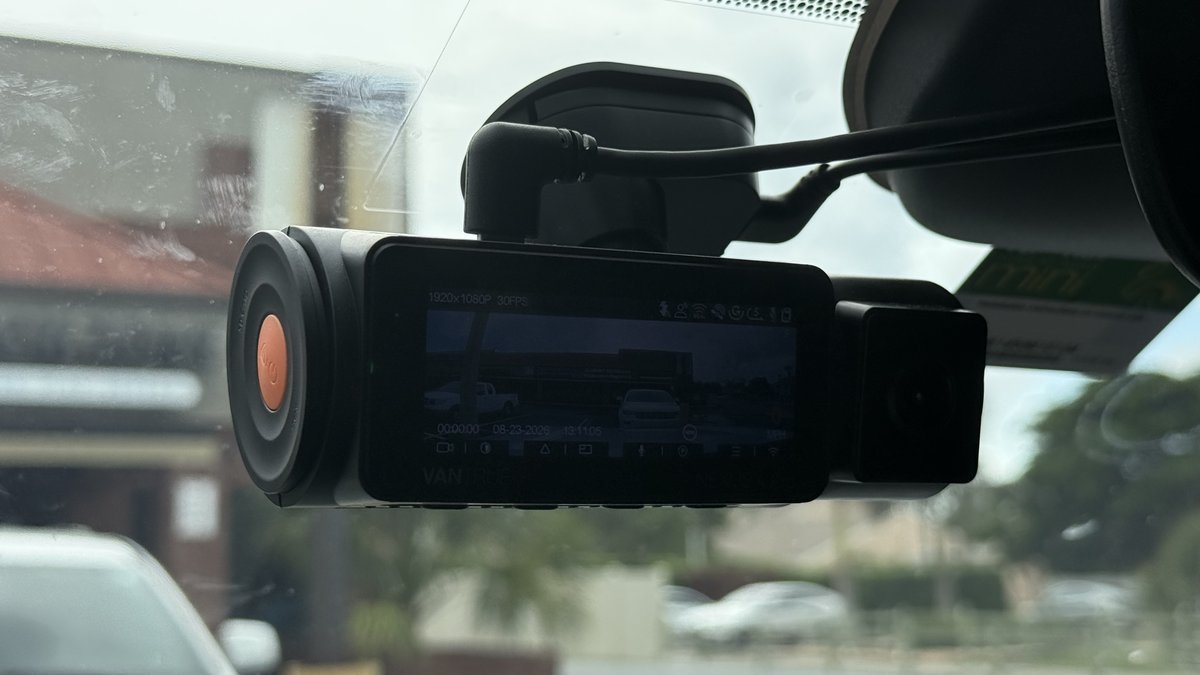
The equipment is deliberately ordinary. Binoculars, long-lens cameras, HD video, a dash camera running any time the vehicle moves. Nothing in the kit intercepts, transmits, or attaches to anyone else’s property, and that is by design. The value is not in the gear. It is in position, patience, and knowing what matters when it happens, because a surveillance day can turn on ninety seconds.
That discipline came from somewhere. Our lead investigator spent twelve years in Army Military Intelligence, including work as a targeter for a special mission unit, where surveillance meant building a subject’s pattern of life and documenting it precisely enough for someone else to act on it. Licensed civilian work runs on the same skills. The difference is the rulebook, and Florida’s rulebook is specific.
What makes surveillance legal in Florida?
Two principles carry most of the weight.
The first is vantage point. An investigator can observe and record anything visible from a place he has a right to be: a public road, a parking lot open to the public, a sidewalk, a business he has permission to sit in. What a person does in public view is not private, and documenting it breaks no Florida law.
The second is the reasonable expectation of privacy. Florida’s interception law protects conversations, not movement, and its imaging laws protect places where a person is entitled to assume no one is watching: inside a home, a restroom, a changing room. A subject walking into a restaurant with someone has no legal expectation that the sidewalk did not see it.
One distinction surprises people: Florida’s wiretap chapter governs sound, not silent pictures. Video with no audio, taken from a lawful vantage point of things in plain view, is not an interception at all. That is why professional surveillance video is silent, and why the microphone stays off.
Where does Florida law draw hard lines?
Five statutes do most of the work. We plan every surveillance day around them.
Tracking devices and tracking apps, section 934.425
Since October 1, 2024, knowingly installing a tracking device or tracking application on another person’s property without consent, or using one to track another person without consent, is a third degree felony. Since October 1, 2025, it is a second degree felony where the tracking is done to commit or facilitate a dangerous crime. The statute covers phone tracking apps the same as hardware, and consent is presumed revoked the moment a spouse files for divorce or either party seeks an injunction for protection.
There is no private investigator exception. The statute says so explicitly: an investigator stands in the client’s shoes, so we can use a tracker only where the client could, mainly on a vehicle the client owns or leases. A violation is also an independent ground for license discipline under Chapter 493. The vehicle rules are covered in detail in our GPS tracker article, and the divorce angle in our spouse tracking article.
Recording conversations, section 934.03
Florida is an all party consent state. Intentionally intercepting a private conversation without the consent of everyone in it is a third degree felony, and the person recorded can also sue civilly. The protection attaches where a speaker has a reasonable expectation of privacy, which is why we do not bug rooms, do not record phone calls, and do not park a microphone near a table. We film. We do not listen in.
Trespass, sections 810.08 and 810.09
A Chapter 493 license is not a key. It confers no right to enter a home, a fenced yard, posted land, or a gated community the investigator has not been lawfully admitted to. Trespass starts as a misdemeanor and climbs to a felony when the trespasser is armed, which for an armed investigator means one wrong step converts a lawful assignment into a third degree felony. Vantage points get planned for this reason.
Digital voyeurism, section 810.145
Florida renamed its video voyeurism law digital voyeurism on October 1, 2024 and broadened it. Secretly imaging a person where they are dressing, undressing, or otherwise entitled to privacy is a third degree felony for an offender 19 or older, and every image is a separate offense. Lawful surveillance never points a lens where a person is entitled to assume privacy, no matter what the client hopes is on the other side of the window.
Drones, section 934.50
Florida restricts using a drone to surveil private property, or the people on it, where a reasonable expectation of privacy exists. A drone can be a legitimate tool in limited situations, but as a shortcut over a fence it is a liability. We treat the fence line as the rule.
Stalking, section 784.048
Following and watching a person repeatedly becomes stalking when it causes substantial emotional distress and serves no legitimate purpose. Lawful investigation, supporting a lawsuit, an insurance claim, or a custody matter, is a purpose other than harassment, and that distinction is what separates an investigator from a stalker. It is not a blank check. Florida courts look at manner and volume, and surveillance that turns into intimidation loses its protection. Professional work stays covert, proportionate, and tied to the question the client actually needs answered. If the subject knows they are being followed, the investigator has failed twice.
Who holds a Florida investigator accountable?
The Florida Department of Agriculture and Consumer Services, Division of Licensing, licenses both the agency, Class A, and the individual investigator, Class C, under Chapter 493 of the Florida Statutes. Section 493.6118 lists the grounds for discipline, and since October 1, 2024 unlawful tracking is on that list by name. Working as a private investigator without a license is a first degree misdemeanor on the first violation and a third degree felony after that, with civil penalties up to $10,000.
The practical takeaway for anyone hiring: verify the license before you sign anything. FDACS runs a public license verification tool, and any legitimate Florida investigator will hand over license numbers without being asked twice. Ours are at the top of this article. Verification takes two minutes and filters out most of the industry’s problems. We wrote more about how we operate inside those rules in our article on the ethics and legalities of private investigation.
One more protection is worth knowing about. Under section 493.6119, a licensed agency may not release the contents of an investigative file to anyone but the client, subject to narrow statutory exceptions. The investigation, and the fact that you hired anyone at all, stays confidential.
What do these rules look like in Sarasota?
Sarasota County is a good illustration of why the lines matter, because so much of the county is private ground. A private investigator in Sarasota works around gated communities across Palmer Ranch and Lakewood Ranch, guard gates on Longboat Key, private streets tucked into Siesta Key, and condominium towers where the garage, the elevator, and the hallway all belong to someone. Every one of those is a trespass line, so the lawful vantage points, public roads, beach access points, and business districts like St. Armands Circle and downtown Sarasota, get scouted before the subject ever moves.
The casework itself skews toward the Twelfth Judicial Circuit: divorce, cohabitation, and custody matters where a documented pattern decides the issue, along with insurance and injury claims. From our Bradenton office the drive is short, mileage is included, and the county’s geography is not a learning curve. Our Sarasota page covers the local work in more depth.
What does lawful surveillance cost?
$1,000 for a full day, flat, including mileage and travel, HD video and stills, and the written case report. No hourly meter, no fuel surcharges. Pricing for every service is published on our rates page, and the fieldwork itself is described on our surveillance page.
The honest caveat: we scope before we book. Where a subject’s routine makes a full day unlikely to produce anything, we say so. And where what a client wants requires a tracker on a car they do not own, a recorder in a room, or a lens through a window, the answer is no. A firm that says yes to that is telling you exactly how it will handle the rest of your case.
Questions we are asked
Can a private investigator follow you in Florida?
Yes. Following and observing a person in public, from a lawful vantage point and for a legitimate investigative purpose, is legal in Florida. What is not legal is surveillance that becomes harassment: Florida’s stalking statute, section 784.048, reaches a course of conduct that causes substantial emotional distress and serves no legitimate purpose, and courts weigh how the surveillance was conducted.
Can a private investigator record you without your consent in Florida?
Silent video of what you do in public, yes. Audio of your private conversations, no. Florida is an all party consent state under section 934.03, and intercepting a private conversation without everyone’s consent is a third degree felony. Secretly imaging a person in a place where they are entitled to privacy is separately criminal under section 810.145.
Can a private investigator put a GPS tracker on your car in Florida?
No, with narrow exceptions. Under section 934.425, installing or using a tracking device or tracking app on another person’s property without consent has been a third degree felony since October 1, 2024, and there is no exception for licensed investigators. An investigator may place a tracker only where the hiring client could lawfully do it themselves, principally on a vehicle the client owns or leases.
Is it legal to photograph someone’s house in Florida?
From a public vantage point, generally yes. What is visible from the street is not private. The lines: entering the property is trespass under sections 810.08 and 810.09, imaging a person where they expect privacy is digital voyeurism under section 810.145, and flying a drone over the fence to watch private property implicates section 934.50.
How do you verify a Florida private investigator’s license?
Use the license verification search run by the Florida Department of Agriculture and Consumer Services, Division of Licensing, which regulates investigators under Chapter 493. Search the agency and the individual. Insight Investigative Group holds agency license A3400127, and our lead investigator holds Class C license C3400073.
Speak with a licensed investigator
If something in your life needs documenting, the conversation costs nothing and stays confidential under section 493.6119, including the fact that you called. Call 941-297-8213 and a licensed investigator answers, day or night, including weekends. We will tell you honestly whether surveillance can answer your question and what it will take. And if the answer is no, we will say that too.
Statutory references reflect the Florida Statutes as of August 2026. This article is general information, not legal advice.