
If you believe someone is tracking you rather than merely watching your accounts, see is it legal to track your spouse in Florida, which covers the 2024 change making unauthorized tracking a third degree felony and what a found device is worth as evidence.
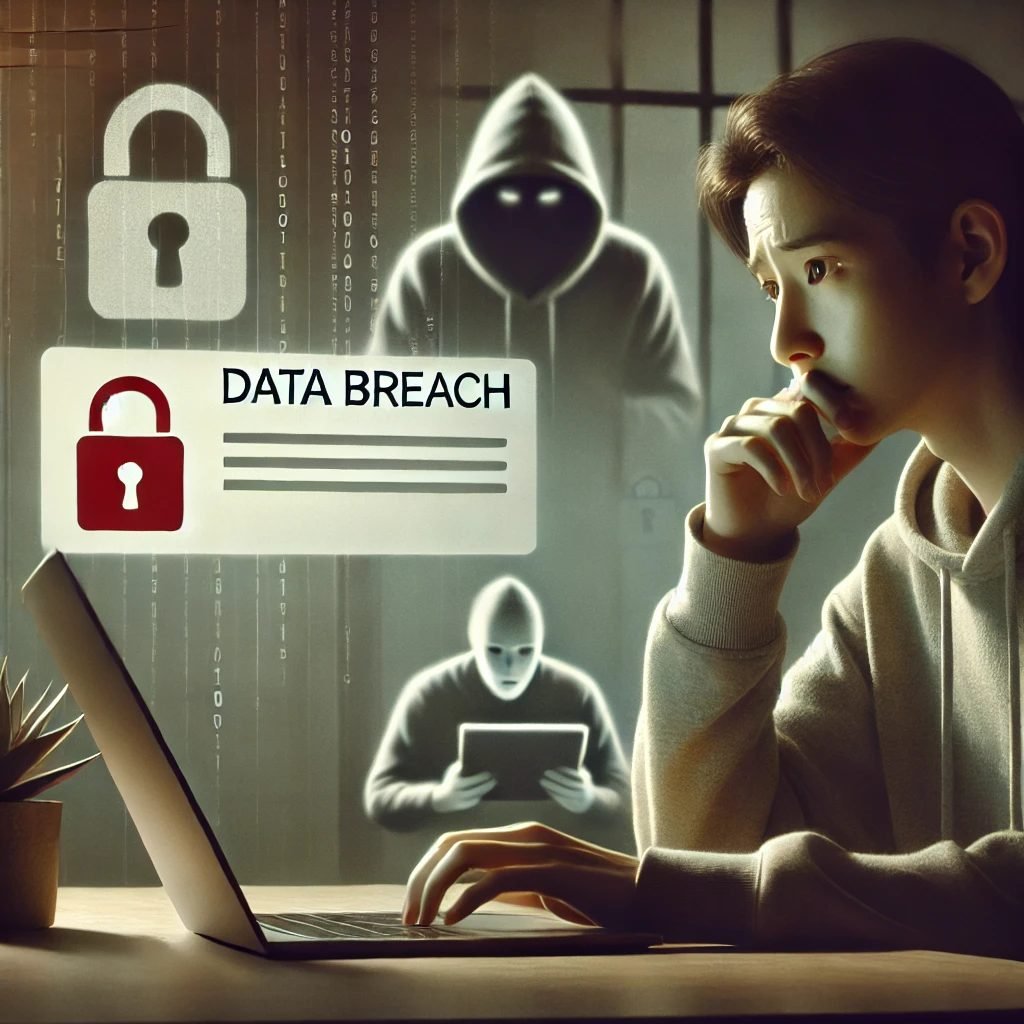
Cyberstalking in Florida is a course of conduct, not a single message. Section 784.048 of the Florida Statutes defines it as communicating words, images or language electronically, directed at or pertaining to a specific person, causing substantial emotional distress and serving no legitimate purpose. The phrase that matters is course of conduct: a pattern over time is what the law is built around.
Which means the single most useful thing you can do right now is document, not confront. This is general information, not legal advice.
What counts as cyberstalking in Florida?
Repeated unwanted messages after being told to stop. Messages sent from new accounts after you block the old ones. Posts about you rather than to you, where the intent is that you see them. Monitoring or publicizing your location or movements. Threats, or content designed to frighten you into responding.
A single rude message is generally not cyberstalking. Twenty messages across six accounts over three weeks, after you asked them to stop, is a course of conduct and it looks entirely different on paper.
How do I know if someone is monitoring me?
The most common signs are informational rather than technical: private plans getting back to people who were not told them, someone referencing details they had no legitimate way to know, or a person consistently appearing where you did not announce you would be.
Technical signs are less reliable than people expect. A hot phone or a draining battery usually means an old battery. What is worth checking is account access rather than the device itself: unfamiliar logged-in sessions, recovery emails and phone numbers you do not recognize, forwarding rules you did not create, and shared location settings left on from a previous relationship. That last one accounts for a large share of cases where someone always seems to know where you are.
What should I do first?
Preserve, do not confront. Screenshot everything with the URL, the account name and the date visible. Leave message threads intact rather than deleting them. Keep a written log of when each thing happened. Do not warn the person you are documenting, because the first thing a subject does when warned is delete, and deleted content is much harder to establish later.
If you believe the other person has access to your accounts or devices, do this from a device they cannot reach.
Can an investigator find out who is behind an anonymous account?
Often, using open source attribution: username reuse across platforms, posting and writing patterns, images and any metadata that survived upload, timing, and the public connections between accounts. Sometimes that resolves to a name. Sometimes it resolves to a documented set of links that a subpoena can finish.
What no licensed investigator can do is access the account, obtain subscriber records from the platform, or read anyone’s private messages. Those require legal process. Anyone offering them is describing a crime.
How does documentation help legally?
A Florida petition for an injunction against stalking requires you to show the course of conduct, and courts see a great many phone screenshots with no context. A documented chronology with preserved captures, timestamps and attribution of accounts to a person is a different exhibit entirely.
Open source and social media investigation is $600. Extended attribution work across multiple platforms is scoped and quoted before any work begins.
Written by Joshua Goldberg, Florida private investigator license C3400073, owner of Insight Investigative Group, LLC, agency license A3400127, Bradenton, Florida. General information, not legal advice.
Related: cyber investigations and TSCM bug sweeps.
Ask an investigator
Consultations are confidential. If you think the other party has access to your accounts or devices, contact us from one they cannot reach.
Call and a licensed investigator answers, day or night, including weekends. Written inquiries are answered within 48 hours.