Author: Joshua Goldberg

  • What Is Actually Exposed About You on the Dark Web

    What Is Actually Exposed About You on the Dark Web

    Almost everyone reading this has data in a breach corpus already, and for most people it is old passwords and an email address rather than anything dramatic. The useful question is not whether you appear. It is what specifically is exposed and whether it is still usable against you.

    Open source and dark web exposure work is $600 as part of a comprehensive investigation.

    What does a dark web check actually find?

    Credentials from breached services: email addresses paired with passwords, usually with the breach and its date attached. Personal identifiers circulating in aggregated sets. Occasionally financial data, and occasionally evidence that a specific person is being targeted rather than swept up in a bulk breach.

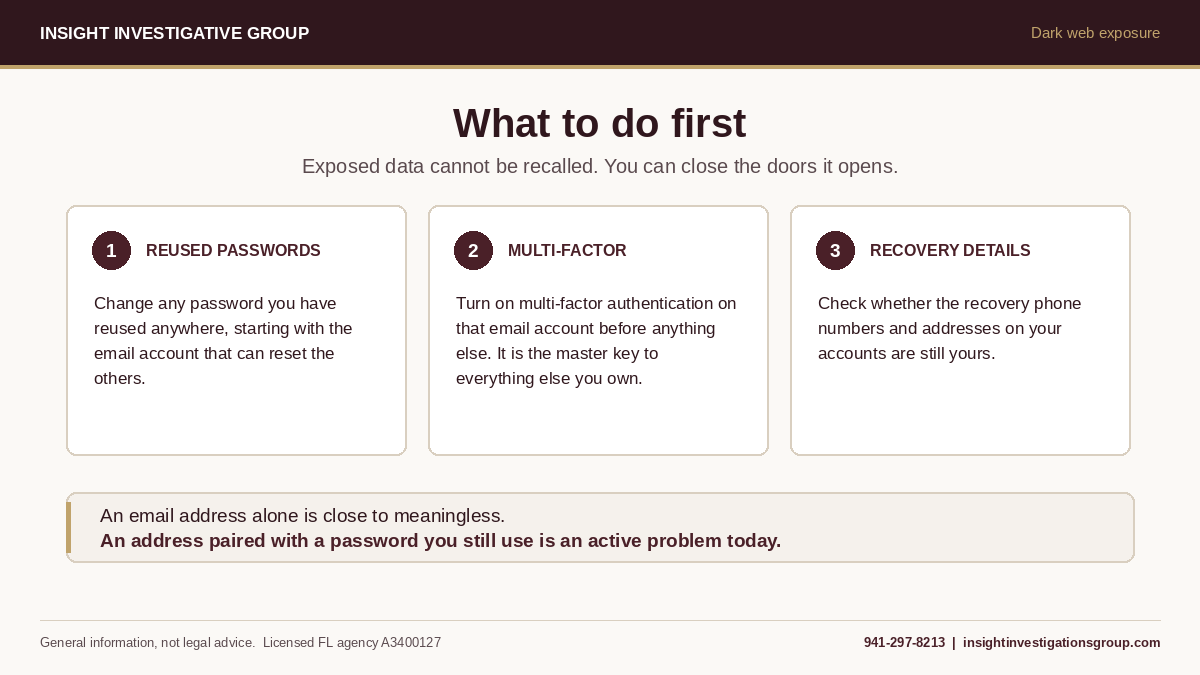
    What matters is the pairing and the recency. An email address alone is close to meaningless. An address paired with a password you still use somewhere is an active problem today.

    Can an investigator remove my data from the dark web?

    No, and neither can anyone else. Once a data set is distributed it cannot be recalled, and any service claiming to delete your information from the dark web is selling something that does not exist.

    What is achievable is knowing precisely what is exposed so you can close the specific doors it opens: change the reused credentials, add multi-factor authentication where the exposure is live, and freeze credit if identifiers are circulating.

    How is this useful in an actual case?

    In a harassment or stalking matter, it can establish that a subject had access to credentials that explain how they knew something. In a fraud matter, it can show whether a compromise preceded the loss. In a business matter, it can document that employee credentials for a corporate system are circulating, which is a live risk rather than a historical curiosity.

    What are the limits?

    We work from data that is already accessible through lawful open source collection. We do not purchase stolen data, we do not commission access to anything, and we do not access an account with credentials found anywhere, which is unlawful regardless of how the credentials were obtained.

    A report telling you your data is exposed, with no specifics and an upsell attached, is a marketing product rather than an investigation.

    What should I do first?

    Change any password you have reused anywhere, starting with the email account that can reset the others. Turn on multi-factor authentication on that email account before anything else, because it is the master key to everything else you own.

    Then check whether recovery phone numbers and addresses on your accounts are still yours. In domestic matters an old recovery number left in place is a far more common explanation for uncanny knowledge than any breach.


    Written by Joshua Goldberg, Florida private investigator license C3400073, owner of Insight Investigative Group, LLC, agency license A3400127, Bradenton, Florida.

    Related: cyber investigations and background checks.

    Ask an investigator

    If you believe someone has active access to your accounts, contact us from a device they cannot reach.

    Call and a licensed investigator answers, day or night, including weekends. Written enquiries are answered within 48 hours.
  • How Investigators Actually Document Infidelity in Florida

    How Investigators Actually Document Infidelity in Florida

    There are no secret tactics. There is public-place surveillance, public record work, and lawful open source research, done patiently. Anyone advertising more than that is describing either theatre or a crime.

    What follows is what an infidelity engagement actually involves, including the parts people do not expect. Surveillance is $1,000 per day, flat.

    What does an infidelity investigation actually involve?

    Surveillance from public vantage points, producing timestamped video and stills with a written chronological log. We document where a subject went, when, how long they stayed and who they were with. Where it helps, public record work identifies a second party or establishes a shared address.

    We document. We do not interpret, and the report reads the same way whether the findings are what you expected or not.

    How many days does it take?

    Usually one to three, and the timing matters far more than the total. A day chosen around a known irregularity in the subject’s routine is worth three chosen at random. Tell us the days and times something is different, because that is where this work succeeds.

    We will also tell you when we think a subject’s schedule makes an assignment unlikely to produce anything, rather than booking it anyway.

    What will an investigator not do?

    We do not access phones, email or social accounts. We do not obtain telephone call records or bank records. We do not record private conversations, which section 934.03 of the Florida Statutes prohibits without the consent of all parties. We do not place a tracking device on a vehicle you do not own, prohibited by section 934.425, and joint titling does not automatically make it lawful.

    In a family case, unlawfully obtained material does not merely fail. It can reach custody, and it hands the other side an argument that has nothing to do with the conduct you hired us to document.

    Does it matter in a Florida divorce?

    Florida is a no fault state, so adultery is not required to dissolve a marriage. It can still be relevant to alimony where marital funds were spent on the relationship, and to parenting where the circumstances affect the child. Whether it matters in your case is a question for your attorney, and having documentation before you ask is better than after.

    What if the investigation finds nothing?

    Then that is what the report says, and for a substantial share of clients that is the outcome they actually needed. A documented record showing someone doing exactly what they said they were doing ends a corrosive uncertainty that was going to damage the relationship on its own.

    Any firm that promises to find something is promising an outcome it cannot control, and there is only one way to deliver on that promise.

    How do I keep this discreet?

    Contact us from a device the other party cannot reach, and do not discuss the engagement inside a space they can access. Under section 493.6119 of the Florida Statutes the contents of the file are confidential to the client.


    Written by Joshua Goldberg, Florida private investigator license C3400073, owner of Insight Investigative Group, LLC, agency license A3400127, Bradenton, Florida.

    Related: domestic investigations and surveillance services.

    Ask an investigator

    Consultations are confidential. Contact us from a phone the other party does not have access to.

    Call and a licensed investigator answers, day or night, including weekends. Written enquiries are answered within 48 hours.
  • How to Gather Evidence Legally in Florida

    How to Gather Evidence Legally in Florida

    Most evidence people collect themselves is lawful. The problem is usually that it is unusable, and occasionally that collecting it was a crime.

    If you are documenting something for a family case, an employment dispute or a claim, the rules below will keep what you gather worth having. General information, not legal advice.

    What can I legally record in Florida?

    Florida requires the consent of all parties to record a private conversation, under section 934.03 of the Florida Statutes. That makes Florida a two party consent state, and it catches an enormous number of people who assume that being part of the conversation is enough. It is not.

    Video without audio, in a place where there is no reasonable expectation of privacy, is a different matter and is generally lawful. A great deal of self-collected evidence becomes usable simply by turning the microphone off.

    How should I preserve screenshots and messages?

    Capture the whole screen, not a crop. The URL, the account name, the timestamp and the surrounding thread are what establish that the message is what you say it is. A cropped image of text is close to worthless once anyone contests it.

    Do not delete your side of a thread, even the parts that embarrass you. Selective preservation is the first thing opposing counsel looks for, and finding it damages everything else you produce.

    Should I keep a log?

    Yes, and contemporaneously. A dated written record made at the time carries weight that a reconstruction assembled six months later does not. Note what happened, when, who was present, and how you know. Keep it factual and leave your conclusions out of it.

    What will get my evidence excluded or land me in trouble?

    Recording a private conversation without the consent of all parties. Accessing an account, phone or computer that is not yours, including a spouse’s, which is unlawful even where you know the password. Installing monitoring software on someone else’s device. Placing a tracking device on a vehicle you do not own, prohibited by section 934.425. Trespassing to obtain photographs.

    Each of these has ended cases that would otherwise have been won, and several are crimes independent of the case they were meant to help.

    When should I stop and call an investigator?

    When you find yourself considering any of the things in the previous section. When the other party has become aware you are documenting. When what you need requires following someone, because self-surveillance in a domestic matter goes wrong more often than it goes right and it can support a stalking allegation against you.

    And when the material needs to survive challenge. Documentation prepared to evidentiary standards, with a maintained chain of custody and an investigator who can speak to how it was obtained, is a different exhibit from a folder of phone photos.


    Written by Joshua Goldberg, Florida private investigator license C3400073, owner of Insight Investigative Group, LLC, agency license A3400127, Bradenton, Florida. General information, not legal advice.

    Related: surveillance services and domestic investigations.

    Ask an investigator

    If you are unsure whether something you plan to do is lawful, ask before you do it. That conversation costs nothing.

    Call and a licensed investigator answers, day or night, including weekends. Written enquiries are answered within 48 hours.

  • Surveillance Equipment a Licensed Investigator Actually Uses

    Surveillance Equipment a Licensed Investigator Actually Uses

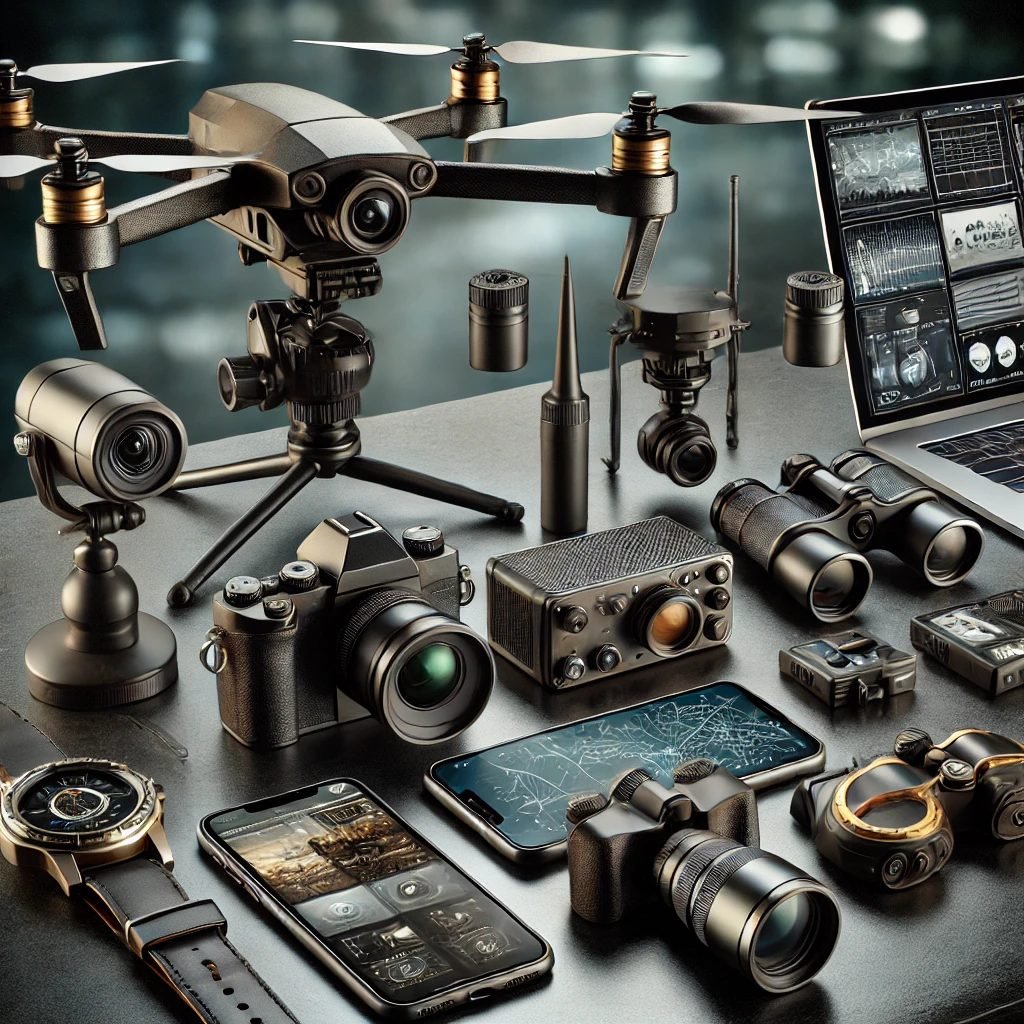
    The equipment matters far less than where you park. Every experienced investigator learns this, usually expensively. Position, patience and pattern of life do the work. The kit only determines whether you can document what you were already in place to see.

    That said, the right equipment is the difference between footage and evidence. Here is what actually earns its space in the vehicle, and what is illegal to deploy in Florida no matter who is selling it. General information, not legal advice.

    What camera equipment does surveillance actually need?

    A body with strong low light performance and a long stabilised zoom, because most usable footage is captured at distance in poor light. Optical reach matters more than megapixels: cropping a distant subject out of a wide frame produces something a defence expert will describe as unidentifiable.

    A second camera running continuously matters more than people expect. The moment worth having usually arrives while you are adjusting the first one.

    What about covert body cameras?

    Useful for foot follows and anywhere a handheld camera would be conspicuous, such as a retail interior or a public venue. The legal constraint is audio, not video. Florida requires the consent of all parties to record a private conversation under section 934.03, so professional body camera use is typically video only, with audio disabled.

    Do investigators use drones?

    Rarely, and carefully. A drone requires an FAA Part 107 remote pilot certificate for commercial operation, and Florida has its own restrictions on the use of drones for surveillance of private property. The situations where a drone is both lawful and more useful than a camera on the ground are narrower than the marketing suggests.

    Is a GPS tracker legal for an investigator to use?

    Not on a vehicle the client does not own and control. Section 934.425 of the Florida Statutes makes it unlawful to install a tracking device on another person’s property without consent, with limited exceptions. This is the single most common request we decline.

    Where a client genuinely owns and controls the vehicle, the analysis is different, and it is a question for your attorney before anything is placed on anything.

    What is the most underrated piece of equipment?

    The vehicle. An unremarkable model in a common colour, with legal window tint and nothing on it that anyone would describe twice. Investigators get burned because of what they are sitting in far more often than because of what they are holding.

    After that, a notebook. The written chronological log is what turns a folder of clips into a report that survives cross examination, and it is produced by hand in real time, not reconstructed afterwards.

    What equipment is illegal to deploy?

    Audio recording devices placed to capture private conversations without the consent of all parties. Tracking devices on vehicles a client does not own. Cameras placed inside a space where a person has a reasonable expectation of privacy. Software installed on a device the client does not own and control.

    All of it is readily purchasable and none of it is lawful to deploy that way. If a firm’s capabilities depend on any of it, what they are selling is a liability with your name on it.


    Written by Joshua Goldberg, Florida private investigator license C3400073, owner of Insight Investigative Group, LLC, agency license A3400127, Bradenton, Florida. General information, not legal advice.

    Related: surveillance services and TSCM bug sweeps.

    Ask an investigator

    Surveillance is $1,000 per day flat, including unlimited mileage and travel, video and stills, and a written case report.

    Call and a licensed investigator answers, day or night, including weekends. Written enquiries are answered within 48 hours.
  • The Ethics and Legalities of Private Investigation in Florida

    The Ethics and Legalities of Private Investigation in Florida

    A licensed Florida private investigator operates under Chapter 493 of the Florida Statutes, and the limits in it are not professional etiquette. They are the line between evidence you can use and evidence that damages your case.

    Most people hire an investigator expecting the constraint to be cost. The real constraint is admissibility of method: how something was obtained determines whether it is worth having at all. Insight Investigative Group, LLC is a licensed Florida agency, agency license A3400127. This is general information, not legal advice.

    What does Florida law require of a private investigator?

    Chapter 493 requires a licence for investigative work, and there are two that matter: a Class A agency licence for the firm and a Class C licence for the individual investigator. Hiring an unlicensed operator is not a bargain. It is a person with no licence to lose, working on a matter where their conduct may later be examined under oath.

    Section 493.6121(2) requires a licensed agency to keep the case file for at least two years and produce it to the state regulator on request. Section 493.6119 prohibits releasing the contents of that file to anyone other than the client or employer, subject to narrow exceptions. Those two run together: your file is confidential, and it also cannot be destroyed on request.

    What can an investigator legally do?

    Conduct surveillance from public places and public vantage points where there is no reasonable expectation of privacy. Search public records, including court, property, corporate and licensing filings. Run licensed database searches for identity and address history. Take statements from people willing to give them. Conduct open source and social media research on publicly visible material. Document all of it to evidentiary standards.

    That is a wider field than most clients expect, and it is where nearly every case is actually won.

    What is off limits, and why?

    No licensed investigator can lawfully obtain bank balances or account records, telephone call records, sealed or expunged records, credit reports, or medical records. Access to those runs through a subpoena, a court order, or the subject’s own written authorization.

    Recording a private conversation requires the consent of all parties under section 934.03 of the Florida Statutes, which makes Florida a two party consent state and catches a great many people out. Placing a tracking device on another person’s vehicle without consent is prohibited by section 934.425. Trespass is trespass regardless of who is paying for the photographs.

    Why do the limits protect the client, not just the investigator?

    Because evidence obtained unlawfully does not simply fail to help. It taints the file it sits in, invites a motion you then have to answer, and can expose the client who commissioned it to liability of their own. In a family matter that exposure can reach custody itself.

    A firm that offers to get into an account, pull phone records, or drop a tracker on a car is not being resourceful. It is telling you exactly how it will handle the rest of your case, including the parts you will not be watching.

    What about pretexting?

    Pretexting means misrepresenting who you are to obtain information. Some forms are lawful and some are squarely illegal, particularly where financial records are involved. We do not misrepresent ourselves to obtain a statement, because a statement obtained by pretext is worth less in a proceeding than no statement at all once the method is disclosed.

    How do I tell a professional from an amateur?

    Ask for the licence numbers and check them against the Florida Department of Agriculture and Consumer Services record. Ask what they will not do, and listen for whether the answer is specific. Ask how the report will be structured and who can testify to it.

    An investigator who answers the third question well has produced reports that were tested. One who cannot has not.


    Written by Joshua Goldberg, Florida private investigator license C3400073, owner of Insight Investigative Group, LLC, agency license A3400127, Bradenton, Florida. General information, not legal advice.

    Related: surveillance services and what a background investigation covers.

    Ask an investigator

    Consultations are confidential and we will tell you honestly whether an investigator is the right answer for your situation.

    Call and a licensed investigator answers, day or night, including weekends. Written enquiries are answered within 48 hours.

  • Cyberstalking in Florida: How to Tell If You Are Being Followed Online

    Cyberstalking in Florida: How to Tell If You Are Being Followed Online

    Cyberstalking in Florida is a course of conduct, not a single message. Section 784.048 of the Florida Statutes defines it as communicating words, images or language electronically, directed at or pertaining to a specific person, causing substantial emotional distress and serving no legitimate purpose. The phrase that matters is course of conduct: a pattern over time is what the law is built around.

    Which means the single most useful thing you can do right now is document, not confront. This is general information, not legal advice.

    What counts as cyberstalking in Florida?

    Repeated unwanted messages after being told to stop. Messages sent from new accounts after you block the old ones. Posts about you rather than to you, where the intent is that you see them. Monitoring or publicising your location or movements. Threats, or content designed to frighten you into responding.

    A single rude message is generally not cyberstalking. Twenty messages across six accounts over three weeks, after you asked them to stop, is a course of conduct and it looks entirely different on paper.

    How do I know if someone is monitoring me?

    The most common signs are informational rather than technical: private plans getting back to people who were not told them, someone referencing details they had no legitimate way to know, or a person consistently appearing where you did not announce you would be.

    Technical signs are less reliable than people expect. A hot phone or a draining battery usually means an old battery. What is worth checking is account access rather than the device itself: unfamiliar logged-in sessions, recovery emails and phone numbers you do not recognise, forwarding rules you did not create, and shared location settings left on from a previous relationship. That last one accounts for a large share of cases where someone always seems to know where you are.

    What should I do first?

    Preserve, do not confront. Screenshot everything with the URL, the account name and the date visible. Leave message threads intact rather than deleting them. Keep a written log of when each thing happened. Do not warn the person you are documenting, because the first thing a subject does when warned is delete, and deleted content is much harder to establish later.

    If you believe the other person has access to your accounts or devices, do this from a device they cannot reach.

    Can an investigator find out who is behind an anonymous account?

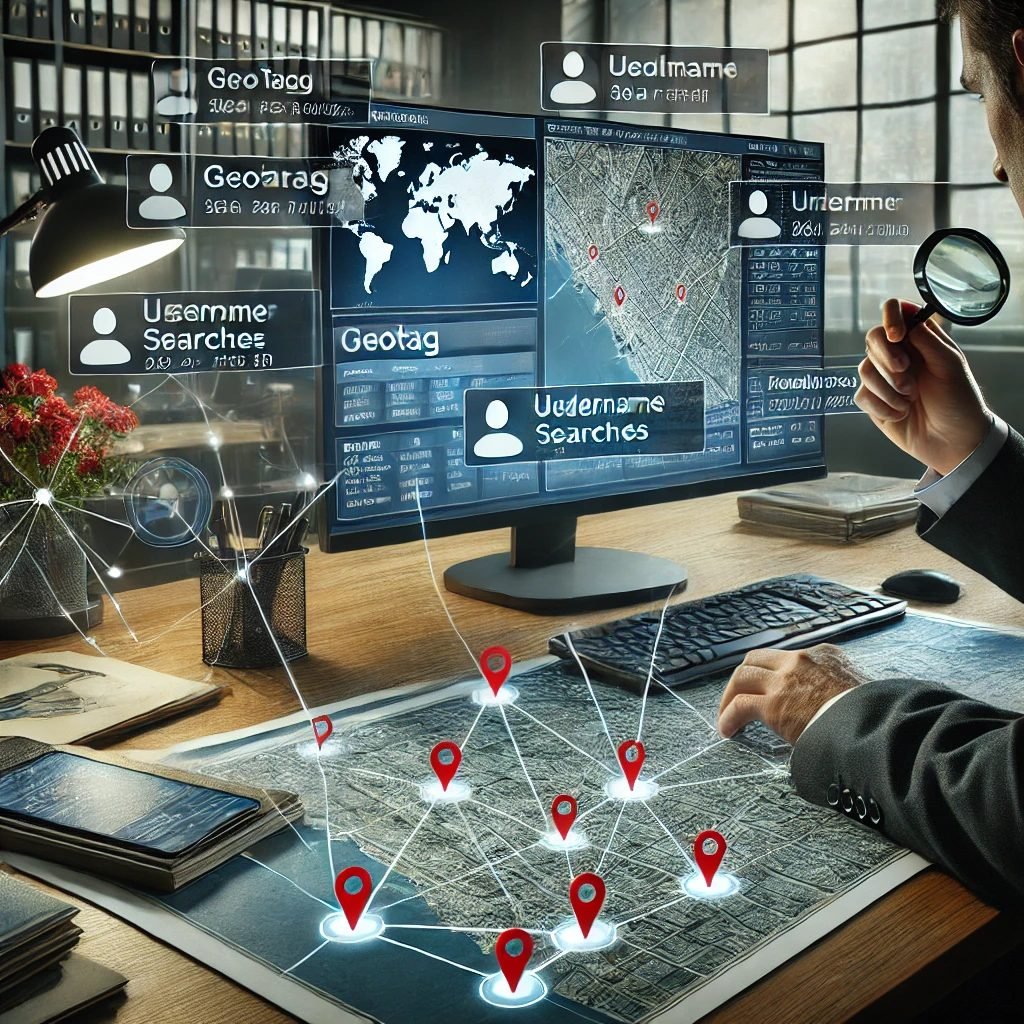
    Often, using open source attribution: username reuse across platforms, posting and writing patterns, images and any metadata that survived upload, timing, and the public connections between accounts. Sometimes that resolves to a name. Sometimes it resolves to a documented set of links that a subpoena can finish.

    What no licensed investigator can do is access the account, obtain subscriber records from the platform, or read anyone’s private messages. Those require legal process. Anyone offering them is describing a crime.

    How does documentation help legally?

    A Florida petition for an injunction against stalking requires you to show the course of conduct, and courts see a great many phone screenshots with no context. A documented chronology with preserved captures, timestamps and attribution of accounts to a person is a different exhibit entirely.

    Open source and social media investigation is $600. Extended attribution work across multiple platforms is scoped and quoted before any work begins.


    Written by Joshua Goldberg, Florida private investigator license C3400073, owner of Insight Investigative Group, LLC, agency license A3400127, Bradenton, Florida. General information, not legal advice.

    Related: cyber investigations and TSCM bug sweeps.

    Ask an investigator

    Consultations are confidential. If you think the other party has access to your accounts or devices, contact us from one they cannot reach.

    Call and a licensed investigator answers, day or night, including weekends. Written enquiries are answered within 48 hours.

  • Is It Legal to Put a GPS Tracker on a Car in Florida?

    Is It Legal to Put a GPS Tracker on a Car in Florida?

    In general, no. Section 934.425 of the Florida Statutes makes it unlawful to knowingly install a tracking device or tracking application on another person’s property without that person’s consent. The statute carries limited exceptions, and a violation is a second degree misdemeanor.

    This comes up constantly in divorces, custody disputes and business partnerships, usually phrased as “it’s our car, so it’s fine.” Often it is not fine. This is general information and not legal advice, and the answer can turn on facts specific to your situation.

    What does section 934.425 actually say?

    It prohibits knowingly installing a tracking device or application on another person’s property without that person’s consent, where the purpose is to determine that person’s location or movement. Consent has to be genuine, and consent given for one purpose does not carry over to another.

    What are the exceptions?

    The statute names several. A law enforcement officer or agency that lawfully installs a device as part of a criminal investigation. A parent or legal guardian tracking a minor child, but only where one of the statute’s conditions is met: the parents are married and not separated and either consents, the person is the sole surviving parent, the person has sole custody, or the parents are separated or divorced and both consent. There are also exceptions covering business use of company vehicles and certain caregiver situations.

    Notice what is not on that list: a spouse tracking a spouse, a partner tracking a partner, or an employer tracking an employee’s personal vehicle.

    What about a car we both own?

    Joint titling does not automatically make it lawful, and this is where people get into trouble. The statute is written around tracking a person, not around who holds title to metal. If your spouse is the sole driver of a jointly titled car and you place a device to monitor their movements, you are tracking a person without consent regardless of whose name is on the registration.

    Ask your attorney before anyone puts anything on a vehicle. This is a question with a real criminal answer attached to it, and the cost of asking first is nothing.

    Can a private investigator place a tracker for me?

    No. A licensed investigator is bound by the same statute and will not place a tracking device on a vehicle a client does not own and control. A firm that offers to do it is describing a crime and telling you how it will handle the rest of your case.

    What a licensed investigator can do is conduct surveillance from public vantage points, which is lawful, produces documentation you can actually use, and does not expose you to a criminal charge or hand the other side a weapon in your family case.

    I found a tracker on my car. What now?

    Do not throw it away. A device on your vehicle placed without your consent is potential evidence of a crime, and its position, condition and serial numbers matter. Leave it where it is, photograph it in place if you can do so safely, and get advice before removing it.

    A vehicle sweep documents the device where it sits and preserves it to evidentiary standards before anything is moved, so that you, your attorney or law enforcement can decide what to do next. A single vehicle sweep is $500 flat.

    If you believe you are being tracked, do not research this from a device the other person can see, and do not discuss it inside a space they can access.


    Written by Joshua Goldberg, Florida private investigator license C3400073, owner of Insight Investigative Group, LLC, agency license A3400127, Bradenton, Florida. General information, not legal advice.

    Related: TSCM bug sweeps and vehicle sweeps and domestic investigations.

    Ask an investigator

    If you think a device has been placed on your vehicle, contact us from a phone the other party cannot reach.

    Call and a licensed investigator answers, day or night, including weekends. Written enquiries are answered within 48 hours.
  • Workers’ Compensation Investigations: A Florida Investigator’s Guide

    Workers’ Compensation Investigations: A Florida Investigator’s Guide

    A workers’ compensation investigation documents whether a claimant’s activity is consistent with their reported restrictions. It is not an attempt to prove fraud. In Florida it is carried out by a licensed private investigative agency under Chapter 493 of the Florida Statutes, and the resulting report is written to be read alongside the medical restrictions in the claim file.

    Insight Investigative Group, LLC is a licensed Florida private investigative agency, agency license A3400127, and surveillance is $1,000 per day, flat. What follows is how this work is actually done.

    What is a workers’ compensation investigation?

    It is the documentation of a claimant’s observable activity, measured against what they have reported to the carrier and to their treating physician. The question is almost never whether someone left the house. It is whether what they did is consistent with what they said they could do.

    A claimant with a twenty pound lifting restriction who is photographed carrying a bag of mulch has a documented inconsistency. A claimant who walks to their mailbox does not. The distinction is the entire job, and an investigator who cannot articulate it is producing footage rather than evidence.

    When is surveillance worth the cost?

    Surveillance earns its cost where there is a specific, documented inconsistency to test: a claimant reported working elsewhere, activity on social media that contradicts stated restrictions, a treating physician questioning the reported mechanism of injury, or a claim where the reported limitations and the observed lifestyle have already diverged.

    It is usually wasted where the file has nothing but a general suspicion. Before an assignment is opened we will tell you honestly when we think a subject’s routine makes a day unlikely to produce anything. That conversation has closed files without an assignment, which is the point of having it.

    What does an AOE COE investigation cover?

    AOE COE stands for arising out of employment and course of employment. It establishes whether the injury happened at work and in the course of the claimant’s duties. It combines recorded statements from the claimant, witnesses and the employer, documentation of the scene, and a review of prior claim and litigation history.

    It is frequently more decisive than surveillance and much less expensive, because a compensability problem ends a claim faster than an activity inconsistency does. On a file with a questionable mechanism of injury it is the first thing to run, not the last.

    How long should surveillance run?

    Most assignments are one to three days. A single day establishes whether the subject is reachable and what their pattern looks like. Additional days are worth booking when the first produced activity worth developing, and are worth declining when it did not.

    Days are better chosen than accumulated. Three correctly selected hours routinely beat twenty spent guessing, which is why establishing the pattern first tends to cost the carrier less overall.

    What can an investigator legally document in Florida?

    Surveillance is conducted from public places and public vantage points where there is no reasonable expectation of privacy. A licensed investigator may record video in those settings, follow a subject on public roads, and document what is visible from them.

    An investigator may not trespass onto private property, may not record private conversations without the consent of all parties under section 934.03 of the Florida Statutes, and may not place a tracking device on a claimant’s vehicle under section 934.425. Investigations conducted otherwise hand claimant counsel the case, and that is a far more expensive outcome than an inconclusive surveillance day. This is general information, not legal advice.

    What makes a surveillance report usable?

    Timestamped video and stills logged as captured. A written chronological activity log covering the whole assignment, including the periods where nothing happened. Maintained chain of custody on all recorded media. And an investigator who observed it and can speak to what he saw.

    A report that documents only the adverse observations is not an investigation, and claimant counsel will make that point before you do. Ours record what was observed, including observations that support the claimant, because a file that only ever produces the findings someone hoped for is being told a story.

    What does it cost?

    Surveillance is $1,000 per day, flat, including unlimited mileage and travel, video and stills, and a written case report. There is no multi-day discount. Claim investigations that do not involve surveillance are quoted per file.


    Written by Joshua Goldberg, Florida private investigator license C3400073, owner of Insight Investigative Group, LLC, agency license A3400127, Bradenton, Florida.

    Related: insurance fraud and claims investigation and surveillance services.

    Ask an investigator

    Confidential case review for carriers, third party administrators, self insured employers and defense counsel.

    Call and a licensed investigator answers, day or night, including weekends. Written enquiries are answered within 48 hours.